

Why Agorà exists
We're both obsessed with the same things: complex systems engineering, software that does serious work, the agentic revolution, and the future of trustworthy information. When we tried to build a product that would let an AI model interact responsibly with copyrighted content, we discovered something uncomfortable. In 2026, there is no clean, legal, scalable way to do that. We hit the problem firsthand, long before we understood it would become a market.
So we changed direction. We started building the layer underneath the original product, the one we needed for ourselves before anything else could be built on top.
What's at stake
If the incentive system around content collapses, the consequences go far beyond a few unhappy publishers. Without enough revenue flowing back to the people who produce information, and without protection from scraping and unauthorised agentic rework, publishers of every kind will stop producing the human-validated, quality information our industries and our democracies depend on.
The damage is a trust problem. Once people, courts, regulators, and engineers stop trusting the sources, the institutions built on those sources start to wobble. AI can cause that collapse, or it can prevent it. The difference depends on whether the right plumbing gets built now. Agorà is that plumbing.
Where we're going
We're building Agorà in Europe, for the EU market first, because here the regulatory environment is already demanding the kind of trust and provenance infrastructure we want to see globally. The European Parliament's March 2026 resolution on copyright and generative AI made the direction explicit: compliance, transparency, and rightsholder compensation are now the baseline. We're building accordingly.
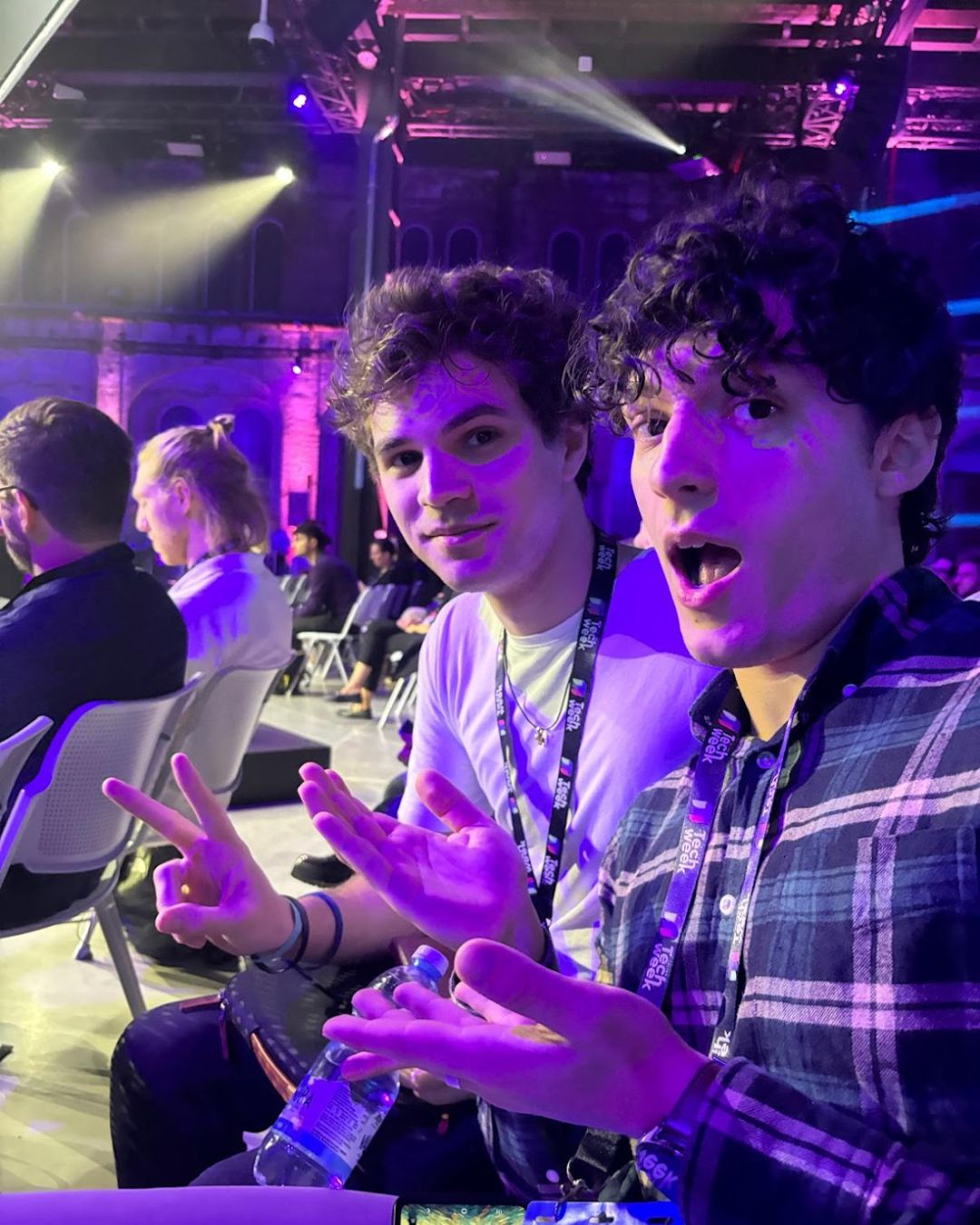
The two of us are below.